
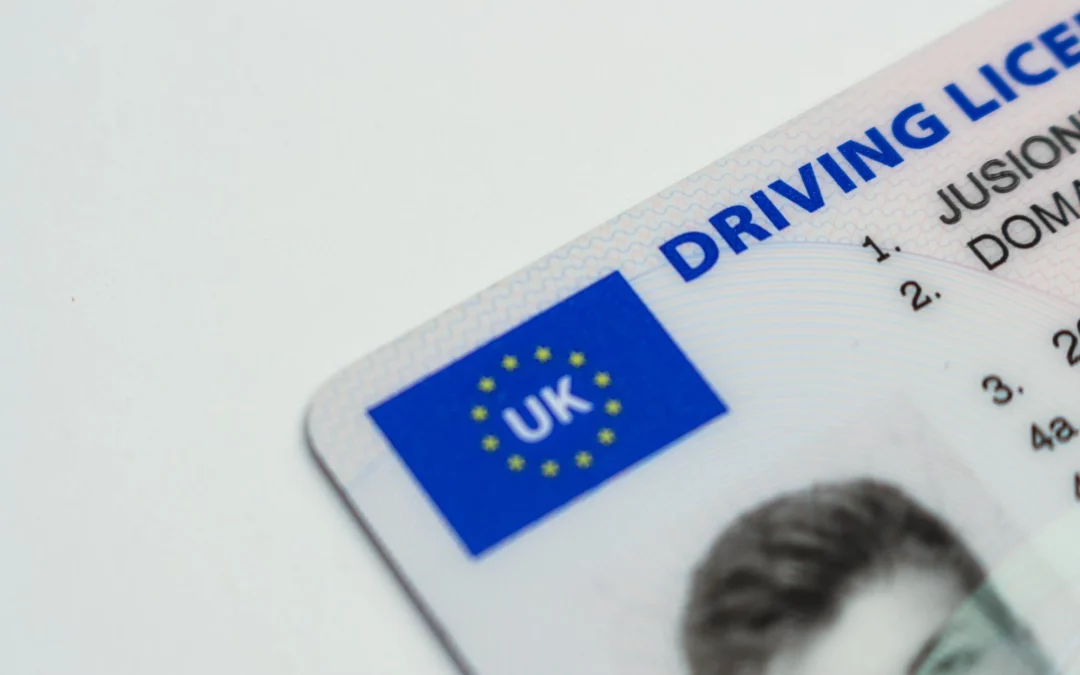
For any business where employees drive as part of their role, whether daily or occasionally, checking driving licences is not optional. It is a legal and operational responsibility that protects your business, your employees, and the public.
Failing to check employee driving licence details can lead to serious consequences, from financial penalties to reputational damage. Yet many businesses still rely on outdated or inconsistent processes, leaving them exposed to avoidable risks.
Employer Responsibilities for Licence Checks
Employers have a clear duty of care when it comes to anyone driving on their behalf. This includes ensuring that drivers are legally entitled to be on the road.
Key responsibilities include:
- Confirming the licence is valid and current
- Ensuring the correct licence category for the role
- Monitoring penalty points or endorsements
- Keeping accurate records of all checks
Carrying out regular DVLA checks for employers is the most reliable way to confirm this information.
A trusted driving licence checking service helps businesses stay compliant without relying on manual checks.
Why One-Off Checks Are Not Enough
Many employers assume that checking a licence at the start of employment is sufficient. In reality, a driver’s status can change at any time.
Risks of relying on a single check:
- Drivers may receive penalty points after being hired
- Licences can be suspended or revoked
- Expiry dates may be missed
- Employees may not report changes
Regularly reviewing and updating records ensures you always check for driving licence status accurately.
Legal Consequences of Non-Compliance
Failing to carry out proper checks can have serious legal implications. If an employee is found to be driving without a valid licence, the responsibility may extend to the employer.
Potential consequences include:
- Fines and legal penalties
- Increased insurance premiums
- Liability in the event of an accident
- Possible prosecution for negligence
In some cases, businesses may face claims if it is proven they did not take reasonable steps to verify a driver’s eligibility.
Duty of Care and Risk Management
Employers are expected to take reasonable steps to minimise risks. This includes maintaining a system for ongoing licence checks.
Effective risk management involves:
- Establishing clear policies for driver checks
- Scheduling regular licence reviews
- Keeping up-to-date records
- Acting quickly on any issues identified
Failing to check driver licence information regularly can be seen as a breach of duty of care.
How Safe2Drive Helps Ensure Compliance
Managing licence checks manually can be time-consuming and prone to error. A digital solution provides a more reliable and efficient approach.
Using Safe2Drive allows businesses to streamline their compliance processes.
Benefits of using a professional service:
- Direct access to accurate DVLA data
- Automated reminders and alerts
- Secure storage of driver records
- Reduced administrative workload
A structured driving licence checking service ensures that no important updates are missed.
Steps Employers Can Take to Stay Compliant
Taking a proactive approach helps reduce legal risks and keeps your business protected.
Practical steps to follow:
- Carry out a full licence check before employment begins
- Set a schedule for ongoing checks based on risk level
- Keep detailed records of all checks
- Use automated systems to track licence status
- Train staff to understand compliance requirements
These steps create a strong foundation for managing driver safety and compliance.
The Role of Technology in Licence Checks
Technology has made it easier than ever to manage licence checks efficiently. Automated systems reduce the chance of human error and provide real-time updates.
Advantages of digital solutions:
- Faster access to information
- Reduced paperwork
- Improved accuracy
- Better compliance tracking
By using modern tools, businesses can ensure they consistently check for driving licence status without added complexity.
Why Compliance Protects Your Business
Licence checks are not just about following rules, they are about protecting your business from avoidable risks.
Benefits of staying compliant:
- Reduced legal exposure
- Improved employee accountability
- Lower insurance risks
- Enhanced reputation with clients and partners
Regular DVLA checks for employers demonstrate a commitment to safety and professionalism.
Stay Compliant and Protect Your Business Today
Failing to check employee driving licences can lead to serious consequences, but with the right system in place, it is easy to manage.
If you want a reliable and efficient way to check employee driving licence details, visit Safe2Drive. Their secure and transparent solutions help businesses stay compliant, reduce risk, and manage driver checks with confidence.
FAQs
How often should employers check driving licences?
It depends on the level of risk, but regular checks, such as annually or more frequently, are recommended.
What is a DVLA licence check?
It is a process that verifies a driver’s licence details directly with official records to confirm validity.
Can employers be fined for not checking licences?
Yes, employers may face penalties if they fail to ensure drivers are legally allowed to drive.
What should I do if an employee’s licence status changes?
You should act immediately, assess the risk, and take appropriate action to remain compliant.
Is a digital licence checking service necessary?
While not mandatory, it greatly improves accuracy, efficiency, and compliance management.